Norweco Singulair Green for Better Wastewater Treatment Outcomes

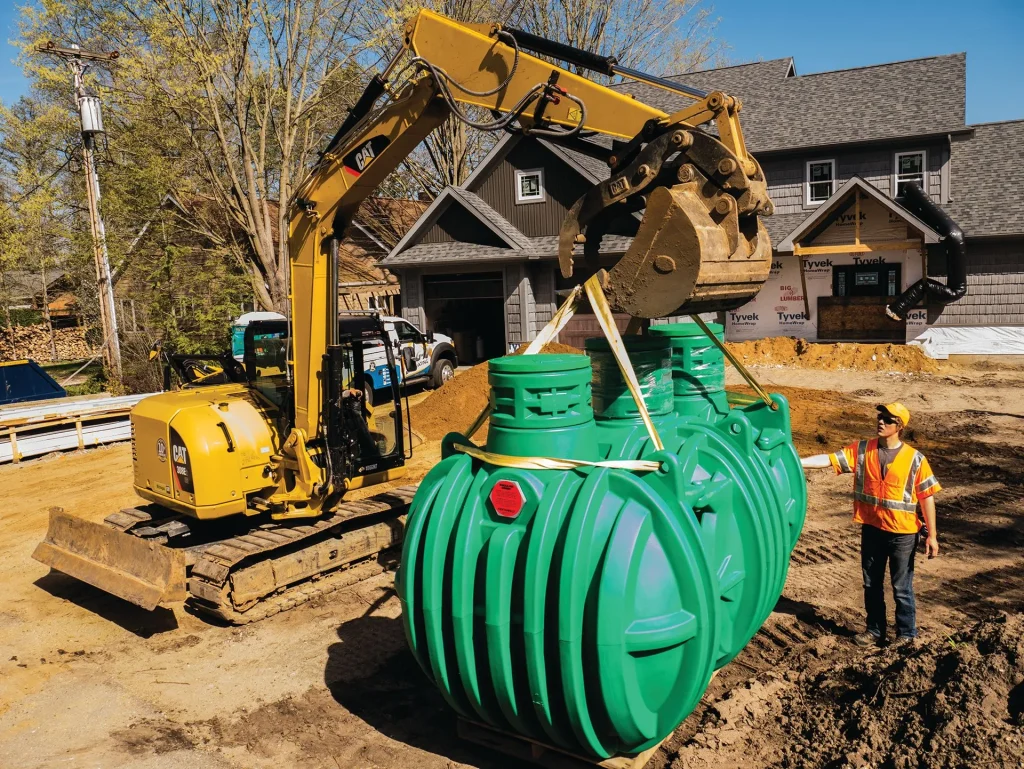
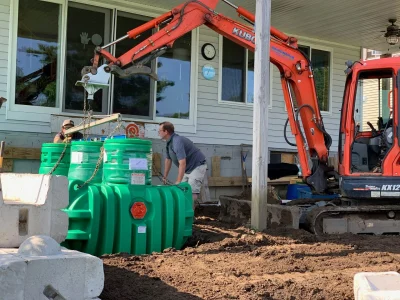
Wastewater treatment rarely gets much attention until something goes wrong. A soggy patch in the yard, an odor near the tank, toilets that hesitate before flushing, or a failed inspection before a property sale can turn an invisible utility into an urgent problem. For homes and small commercial properties outside municipal sewer service, the treatment system is not a background feature. It is a working piece of infrastructure that has to perform every day, through changing weather, fluctuating occupancy, and years of use.
That is where the Norweco Singulair Green enters the conversation. People often search for the norweco singulair green because they are trying to solve one of three problems. They want better effluent quality than a basic septic tank can provide, they need a treatment system that can satisfy local regulatory requirements, or they are replacing an aging unit that no longer keeps up with the demands of the property. Sometimes it is all three at once.
What matters most is not the brand name by itself. It is whether the treatment approach matches the site, the soil, the household habits, and the long-term maintenance reality. The Singulair Green has developed a reputation because it addresses a real need: dependable aerobic treatment in places where conventional septic performance is not enough.
Why aerobic treatment changes the equation
A standard septic tank does one job reasonably well. It separates solids from liquids and begins the breakdown of waste under anaerobic conditions. For many sites, that is acceptable when paired with favorable soils and a properly designed norweco singulair green excavatingnj.com drainfield. But not every property has generous conditions. Tight lots, poor soils, shallow groundwater, waterfront concerns, and stricter discharge standards push conventional systems to their limits.
Aerobic treatment units improve on that basic process by introducing oxygen into the wastewater. With oxygen available, aerobic bacteria can break down organic matter more aggressively than anaerobic bacteria alone. The result is typically cleaner effluent, lower biochemical oxygen demand, and lower total suspended solids before the water reaches the next treatment or dispersal stage.
In practical terms, that often means a system that can support a more demanding site plan. It can also mean better protection for the drainfield because cleaner effluent tends to reduce clogging stress over time. On properties where replacement area is limited, protecting the life of the dispersal component is not a nice bonus. It is one of the most important financial and operational considerations.
What the Norweco Singulair Green is designed to do
The Norweco Singulair Green is an aerobic treatment system built for decentralized wastewater applications. Its role is to receive domestic wastewater, treat it through controlled biological processes, and discharge clarified effluent to the next stage of the system, often a drainfield or another approved dispersal method.
The broad concept sounds straightforward, but execution matters. A treatment unit like this has to balance aeration, solids handling, recirculation or clarification behavior, and the realities of homeowner use. People do not produce perfectly even wastewater flows. They leave for vacation. They host guests for a holiday weekend. They flush products they should not. They run extra laundry in rainy weather, then none the next day. A good system has to cope with those swings without tipping into chronic underperformance.
One reason the norweco singulair green is frequently specified is that it is intended to provide a compact, engineered treatment process in locations where permit conditions require more than a passive tank. It is also commonly discussed in settings where owners want a recognizable treatment platform with service support rather than a one-off custom arrangement.
Where it tends to make sense
The best applications are usually properties where the site itself drives the need for enhanced treatment. I have seen aerobic units make the most sense in lakeside homes, narrow rural lots, replacement systems where the original field failed, and properties under local pressure to reduce nutrient and solids loading before dispersal. They also show up in higher-end residential builds where owners know that preserving the usable portion of the lot matters just as much as meeting code.
There is a practical side to that decision. A conventional septic tank can be less expensive up front, but it may not be permitted on a constrained site or may require a larger dispersal area than the lot can support. The Singulair Green becomes attractive when the alternative is not a cheaper standard septic system, but a much more complicated site workaround.
A common scenario goes like this. A homeowner buys a beautiful lot with less-than-beautiful soil conditions, perhaps a high water table in wet months and limited room for a broad drainfield layout. The local designer recommends advanced treatment to improve effluent quality before it reaches the soil. The owner initially resists the idea because the system sounds more technical than what they grew up with. A year later, after seeing how narrow the design margins really are, they usually understand why the recommendation was made.
Performance depends on the whole system, not just the tank
This is where many purchasing decisions go sideways. People focus on the treatment unit as if it acts independently. It does not. The final outcome depends on the pretreatment, the aeration process, the clarifying stage, the effluent line, the dispersal area, the electrical components, and the maintenance routine.
A high-quality treatment unit can still disappoint if the installer places it on a poor base, if the outlet piping is misaligned, if groundwater infiltration overwhelms the design, or if the homeowner treats the toilet like a trash chute. On the other hand, a carefully designed and properly maintained aerobic unit can perform well for many years and avoid the premature drainfield stress that haunts neglected systems.
The best results come when the designer, installer, service provider, and owner all understand the same goal. That goal is not simply to pass final inspection. It is to produce stable treatment over the long run.
What cleaner effluent means in real life
Homeowners hear phrases like “better effluent quality” so often that the words lose meaning. The practical implications are easier to understand.
Cleaner effluent generally means there is less suspended material reaching the drainfield. That matters because suspended solids are one of the main contributors to biomat buildup and reduced infiltration. Once the receiving area starts to seal off, the symptoms follow fast: surfacing effluent, wet spots, odors, and backups during heavy use.
Cleaner effluent can also support regulatory compliance where advanced treatment standards are required. Some jurisdictions care deeply about what leaves the unit because local groundwater, shellfish waters, lakes, or nutrient-sensitive watersheds are under stress. In those places, advanced treatment is not marketing language. It is part of a broader environmental control strategy.
There is also a household quality-of-life angle. When systems are functioning as intended, owners spend less time dealing with nuisance problems and emergency calls. No treatment system is maintenance-free, but good treatment quality reduces the chance that small issues downstream turn into large and expensive ones.
The maintenance reality that buyers should accept early
The most important thing to understand about the norweco singulair green is that it is not a “bury it and forget it” system. That is not a flaw. It is the trade-off that comes with active treatment. Aerobic systems use mechanical and electrical components, and those components require periodic observation and service.
This is often the dividing line between satisfied owners and frustrated ones. Satisfied owners go in knowing they are buying performance, not invisibility. Frustrated owners expected advanced treatment with conventional-system habits.
A service agreement is usually a smart idea, and in some regions it is required. Regular inspections help catch blower issues, sludge accumulation, effluent filter problems, and alarm conditions before treatment quality drops enough to damage the receiving field or violate permit conditions. A routine visit is far cheaper than field replacement.
The pumping interval depends on actual use, tank sizing, solids accumulation, and local guidance. No honest professional should promise a universal schedule for every property. A couple in a seasonal home will not load the unit like a family of five with frequent guests and heavy laundry usage. Real maintenance schedules should reflect real occupancy.
Installation quality makes or breaks long-term value
I have seen technically sound products get blamed for failures that were really installation failures. A system that settles unevenly, receives roof drain or sump water, or discharges to a poorly prepared field is set up for trouble from day one.
During installation, attention to grade, bedding, electrical setup, access risers, venting, watertight connections, and final site drainage can determine whether the system remains easy to service and resilient in wet weather. These details do not excite property owners the way brochures do, but they matter more.
One small example illustrates the point. On a replacement project in a low-lying area, the owner was focused entirely on the treatment unit model. The larger issue turned out to be site runoff from a sloped driveway that directed stormwater toward the tank area every heavy rain. Redirecting that flow was as important as selecting the correct treatment equipment. Without that change, even a good system would have operated under unnecessary hydraulic stress.
Common owner habits that help or hurt performance
Wastewater systems reflect household behavior with brutal honesty. They tolerate normal domestic use, but they are not forgiving of abuse.
Products labeled “flushable” are a recurring problem. Wipes, even when marketed for septic use, do not break down like toilet paper. Grease from cooking can move farther into the system than people expect. Large doses of bleach or aggressive cleaners can disrupt biological activity, especially if the flow is already light. Water softener backwash, depending on local guidance and system design, can also be a point of concern that deserves site-specific evaluation.
Water use patterns matter too. A sudden weekend surge after prolonged vacancy is different from steady daily occupancy. Most systems can handle normal variation, but concentrated loads can overwhelm treatment stages if the design margin is small. Spreading laundry through the week instead of pushing eight loads through in one afternoon sounds trivial until you compare service histories between households. The difference is real.
Signs a system needs attention
- Persistent sewage odors near the treatment unit, vent, or dispersal area
- Unusually wet or spongy soil above the field during dry weather
- Alarm activation, breaker trips, or blower noise changes
- Slow drains or intermittent plumbing backups without an indoor clog
- Effluent discoloration or solids carryover noted during service
These signs do not always mean catastrophic failure. Sometimes the issue is as manageable as a clogged effluent filter, a worn aerator component, or overdue pumping. The mistake is waiting. Wastewater systems reward early action and punish delay.
Comparing it with a conventional septic approach
A basic septic system wins on simplicity. It has fewer active parts, lower energy use, and often lower service demands. On a generous site with suitable soil, it can be the right answer. No responsible designer should push advanced treatment where it offers little practical benefit.
The Singulair Green and similar aerobic systems are stronger where treatment quality has to do more of the work before dispersal. That can preserve design options on constrained lots and improve margins on environmentally sensitive sites. The trade-off is straightforward: more equipment, more oversight, and usually more cost.
The key is to compare realistic alternatives, not idealized ones. If a conventional system would require a much larger field, engineered fill, or difficult layout changes, then the cost gap may shrink quickly. If an advanced treatment unit helps avoid a premature field failure on a hard-to-replace lot, the life-cycle value can be significant.
Questions worth asking before you buy
Before choosing any advanced treatment unit, owners should press for practical answers rather than polished sales language.
- Who will service the system locally, and how fast can they respond during a problem?
- What alarms or alerts will the owner actually see or hear?
- How often is routine inspection recommended under local conditions?
- What homeowner behavior causes the most service calls on this model?
- How does the unit fit with the planned dispersal method and reserve area?
These questions reveal whether the system is being selected thoughtfully or simply dropped into the design because it is familiar. A strong answer should connect the treatment unit to your site conditions, occupancy pattern, and local code framework.
Cost, energy, and the long view
It is fair to say that a Norweco Singulair Green installation will usually cost more than a basic septic tank setup, especially when you include controls and service expectations. It also uses electricity, which a passive tank does not. Those are real costs, and glossing over them helps no one.
At the same time, the long-term picture is broader than the purchase price. A failed or overloaded drainfield can be one of the most expensive residential infrastructure problems a property owner faces. On a constrained lot, replacement options may be limited, disruptive, and costly. If advanced treatment protects the downstream field and keeps the property compliant, many owners view the added operating cost as a rational form of insurance.
Energy consumption varies with equipment and run time, but the cost is usually modest compared with major household appliances. It is not zero, and owners should budget for it, along with service visits and periodic pumping. The smarter conversation is not “Does this cost more?” It clearly does. The smarter question is “Does it cost more for a reason that materially improves outcomes on this site?” Often, the answer is yes.
How to get the best outcome after installation
Owning an advanced wastewater treatment system does not need to be complicated, but it does require attention. Keep service records. Know where the tank, risers, controls, and field are located. Protect the area from vehicle traffic. Manage roof and surface water so the system does not become a drainage basin. Use water steadily rather than in punishing bursts when possible. And if an alarm goes off, treat it like the warning it is.
I have found that the most reliable owners are not wastewater experts. They are simply organized. They keep the service provider’s number handy, they do not ignore small warning signs, and they understand that the system beneath the lawn is doing serious work.
That mindset is the difference between an aerobic unit that feels demanding and one that feels dependable.
When the norweco singulair green is the right fit
The norweco singulair green is a sensible choice when a property needs better treatment performance than a conventional septic tank can reasonably provide, and when the owner is prepared to support an active system with routine service. It is especially well suited to sites where effluent quality directly affects field longevity, regulatory compliance, or environmental sensitivity.
It is not automatically the right answer for every rural home. If the lot has excellent soil, ample room, and no special permitting pressures, a simpler system may serve perfectly well. But where treatment margins are narrow, the value of a well-supported aerobic unit becomes much easier to see.
The strongest projects are the ones where everyone is honest from the start. Advanced treatment offers genuine benefits, but those benefits come with maintenance obligations and a higher standard of installation quality. If those conditions are met, the result is often a more resilient system and a better wastewater treatment outcome over the life of the property.
For owners weighing their options, that is the real point. A wastewater system is not just a permit requirement. It is a long-term operational asset. When site conditions demand stronger treatment, the Singulair Green deserves serious consideration because its purpose aligns with the practical goal every owner should care about: cleaner effluent, fewer downstream problems, and a system that performs reliably when it matters most.
Excavating New Jersey LLC
406 County Rd 565, Wantage, NJ 07461, United States
+1 973-791-4284
FAQ About norweco singulair green
How much does a NORWECO septic system cost?
The installed cost depends on the selected unit, engineering, site access, excavation, electrical work, disposal-field design and required approvals. A tank-only price is not a complete installation quote. Ask Excavating New Jersey LLC for a site-specific, itemized estimate that also explains ongoing service costs.
How does a Norweco septic system work?
The Singulair Green uses pretreatment, aeration, clarification and filtration to treat domestic wastewater. In the aeration chamber, oxygen supports bacteria that break down organic material. The Bio-Kinetic unit provides further filtration and flow equalization. Final effluent disposal must follow the property's approved design and applicable requirements.
What is the average lifespan of a septic system?
There is no guaranteed lifespan for every system. Design, installation, soil conditions, wastewater loading and regular maintenance all matter, and mechanical parts may need replacement before the tank. For a Singulair Green system, follow the manufacturer's service schedule and have a qualified provider assess its condition and pumping needs.