A Closer Look at Norweco Singulair Green System Components
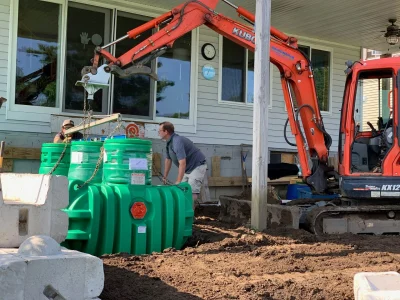
When people talk about advanced onsite wastewater treatment, the conversation often jumps straight to performance claims, permits, or whether a system will fit on a difficult lot. Those are important questions, but they tend to skip the part that really determines how a system behaves year after year: the components themselves, how they work together, and what kind of maintenance reality they create.
The norweco singulair green system is a good example. It is not just a tank in the ground with a blower attached. It is an integrated treatment train designed to take residential wastewater through several stages, each one relying on a specific piece of equipment and a specific operating condition. If one component is undersized, neglected, or misunderstood, the whole system can drift away from its intended performance. On the other hand, when the pieces are installed correctly and serviced on schedule, these systems can be impressively steady, even on properties where soil conditions, lot size, or discharge requirements leave very little room for error.
What follows is a closer look at the major components, what each one does, and where owners, installers, and service providers tend to run into trouble in the real world.
Why component-level understanding matters
A conventional septic system is relatively passive. Wastewater enters a septic tank, solids settle, scum floats, and partially clarified effluent moves to the drainfield. There are fewer moving parts, which means fewer opportunities for mechanical failure, but also fewer opportunities to actively improve treatment.
A treatment system like the norweco singulair green unit works differently. It uses a managed biological process. That means air delivery, flow paths, settling zones, recirculation, sludge handling, and final discharge conditions all matter. The treatment quality depends on biology, hydraulics, and equipment all staying in balance.
That is why a system can look fine from the yard and still be operating poorly inside. I have seen tanks with healthy grass over them and no surfacing wastewater, yet the aeration equipment had been offline long enough that the process had shifted toward septic conditions. The owner had no idea because toilets still flushed and sinks still drained. In advanced treatment, visible failure often lags behind actual performance.
The treatment train, not just a single tank
One of the easiest mistakes is thinking of the system as a single chamber. In practice, the process is more like a chain. Wastewater enters, solids are separated, oxygen is introduced, microbes digest organic matter, solids settle again, and then treated water moves to final dispersal or discharge. Each stage has a component built around that function.
The exact layout can vary depending on the model, site design, and regulatory requirements, but the core logic stays the same. There is an initial treatment area for raw wastewater, an aeration zone where biological treatment intensifies, a clarification step to separate treated liquid from biomass, and associated mechanical controls to keep flow and oxygen where they belong.
Understanding that sequence helps explain why maintenance is not just “pump the tank when it looks full.” Sludge depth, aerator condition, scum carryover, recirculation paths, and alarms all affect treatment.
The pretreatment and primary settling section
Every onsite wastewater system has to deal with the same basic fact: household wastewater is not uniform. One day it is mostly shower and laundry water. The next day it may include a surge of kitchen waste, toilet paper, grease, or cleaning products. The first job of the system is to slow that flow down enough for physical separation to start.
In the primary settling area, heavier solids drop out and lighter materials float. This stage protects everything downstream. If too many suspended solids move forward, aeration efficiency drops, sludge accumulates faster in the biological zone, and clarifier performance suffers.
This part of the system tends to be underappreciated because it has no obvious moving parts. Yet it does a tremendous amount of work. A poorly maintained primary zone often shows up later as “mystery” issues in the aeration chamber. Service providers will sometimes focus on the electric components first, which is understandable, but if the upstream settling section is overloaded with grease and solids, mechanical fixes alone will not restore stable treatment.
A practical example is a household that adds a garbage disposal without realizing the impact. Food waste dramatically increases organic loading and suspended solids. On a municipal sewer line that may be little more than a billing issue. On an onsite treatment unit, it changes how often solids need to be removed and can upset the treatment train if loading becomes routine.
The aeration chamber, where the real biological work happens
The heart of the norweco singulair green process is the aeration chamber. This is where oxygen supports aerobic microorganisms that consume dissolved and fine suspended organic matter. Instead of relying mainly on passive settling and anaerobic digestion, the system actively encourages aerobic treatment, which is generally faster and more thorough for many wastewater parameters.
When this chamber is operating properly, the wastewater typically takes on a very different character than septic tank effluent. Odors are lower, solids are better managed, and the biological community becomes the engine of treatment. That microbial population is doing the heavy lifting, but it can only do that if the chamber receives enough oxygen and if the incoming waste stream stays within a reasonable range.
This is where owner habits begin to matter. Excessive bleach, harsh disinfectants, solvent dumping, or long periods of no flow followed by heavy surges can all stress the biological process. One isolated event usually does not destroy a healthy system, but repeated abuse shows up in the sludge characteristics and in effluent quality. An experienced operator can often tell quite a bit from the smell, foam pattern, and general appearance in the aeration zone.
The aerator or air delivery assembly
If the aeration chamber is the heart of treatment, the aerator is the heart muscle. It is the component that introduces oxygen and keeps the contents mixed enough for microbes to contact the waste they are meant to digest. In many advanced treatment units, including systems in this class, reliable aeration is what separates an active treatment unit from a passive tank.
An aerator does not need to be dramatic to be essential. Its job is consistency. It has to run long enough and well enough to maintain dissolved oxygen and proper mixing. When it starts to weaken, performance often slips gradually before it fails outright. Bearings wear, filters clog, diaphragms age, electrical connections corrode, and output declines. The system may still be “running” in a technical sense, but not at the level required for treatment.
That is why service inspections should include more than checking whether the motor hums. Air flow, sound profile, vibration, heat, and the visible action in the treatment chamber all tell a story. A seasoned technician usually knows the normal sound of a healthy unit. A change in pitch can be the first warning that a replacement part will be needed soon.
The practical value of this cannot be overstated. Catching a weak aerator during routine service is far cheaper than waiting until effluent quality deteriorates, solids wash over, or alarms begin cycling during a busy household period.
The clarification zone
After aeration, the system still needs a way to separate treated liquid from biological solids. That is the role of the clarifier or clarification zone. Here, the flow slows again so suspended biomass can settle, leaving clearer effluent to move on.
Clarification is one of those processes that sounds simple until it is not. In the field, clarifiers are sensitive to hydraulic surges, excess solids, scum carryover, and disturbed flow patterns. A treatment unit can have an active biological process and still discharge poor-quality effluent if settling is compromised.
Laundry habits are a common contributor. A household that runs six loads back to back on a Saturday can hydraulically stress a system more than people expect. The total weekly water use might be perfectly reasonable, but the short-term surge can stir solids and reduce settling efficiency. Spreading laundry across the week often helps treatment units more than owners realize.
In service work, the clarifier often reveals upstream problems. If there is too much floating matter, look at grease and scum loading. If sludge is excessively dense or fluffy, consider solids management and aeration performance. If carryover appears after storms, inspect infiltration sources or lid and riser integrity. The clarifier is less a standalone component than a report card on everything ahead of it.
Return pathways and internal flow control
Advanced treatment systems depend not only on chambers, but on how liquid and solids move between them. Internal passages, transfer openings, return paths, and baffles shape the process. These components rarely attract attention from homeowners, yet they are crucial to treatment stability.
A baffle that is damaged, missing, or blocked can alter detention time and short-circuit flow. A return pathway that is obstructed may allow solids to build where they should not. Even a service visit that leaves a component improperly seated can create subtle problems that take months to become obvious.
This is one reason trained servicing matters. On paper, opening a tank and looking inside can seem straightforward. In practice, knowing what normal flow should look like, where the sludge blanket should sit, and how internal components should be positioned is what protects system performance.
The control center and alarm system
Mechanical treatment systems need a way to communicate trouble before trouble becomes failure. That is where the control center and alarms come in. Depending on the installation, controls may monitor power status, aerator operation, pump function, or high-water conditions.
Owners often treat alarms like a nuisance, especially if one chirps on a holiday weekend. That reaction is understandable, but it is exactly backward. An alarm is the system doing its job. It is telling you that something changed while there is still time to respond.
The most common problem is not the alarm itself. It is the period after someone silences it without arranging service. I have seen high-water alarms muted for days because the drains “seemed to be working.” In a treatment unit, that can allow backup conditions, pump stress, or discharge problems to worsen quietly.
A good control setup should be accessible, clearly labeled, and explained to the owner at startup. Service records should note which alarms exist, what each one means, and what immediate action is appropriate. Homeowners do not need to become operators, but they do need enough familiarity to know the difference between a brief power interruption and a persistent malfunction.
Effluent pumping, when the site requires it
Not norweco singulair green every installation will use the same discharge arrangement, but many advanced systems include an effluent pump or dosing component, especially where treated water must be lifted to dispersal, pressure distributed, or discharged in controlled batches.
A pump changes the maintenance profile of the system. It adds another electrical device, another float or level-sensing element, and another set of conditions that can fail. Pumps wear out. Floats hang up. Check valves foul. Wiring connections degrade in damp environments. None of that is unusual. What matters is inspection discipline.
When a pump is part of the design, dose volume and frequency matter. Too much water sent too quickly can stress downstream dispersal. Too little movement can leave wastewater in holding conditions longer than intended. This is where good commissioning is important. A system should not simply “move water.” It should move water in the way the design expected.
Access risers and lids, the components people notice only when they are missing
No one gets excited about risers and lids, but service providers do, and for good reason. Safe, watertight access affects every inspection, every pump-out, and every repair. Buried lids seem neat at installation, then become a recurring headache later. Time is wasted locating access points, excavation costs rise, and routine service becomes harder than it should be.
A proper riser setup also helps prevent surface water infiltration. In regions with seasonal rain or snowmelt, poor lid seals can let in enough extra water to upset hydraulic conditions. Owners may assume the system is failing because alarms occur after storms, when the real issue is infiltration through compromised access points or nearby grading that directs runoff toward the unit.
This is one of those details that separates an installation built for long-term ownership from one built only to pass final inspection. Easy access encourages good maintenance. Difficult access discourages it. Over years, that difference matters.
Sludge and scum storage capacity
No biological treatment system escapes solids management. Aeration reduces and stabilizes waste, but it does not make solids disappear. Sludge and scum still accumulate and must be measured and removed at appropriate intervals.
This is where misunderstandings are common. Some owners hear “advanced treatment” and assume pump-outs become unnecessary or rare. In reality, service intervals depend on household size, water use, food waste habits, and the system’s actual solids handling. A lightly occupied home may go longer between pump-outs. A busy household with frequent guests, heavy laundry, and a disposal may need attention sooner than expected.
What matters is measurement, not guesswork. Sludge judges, core samplers, and visual inspection are basic tools, but they need to be used by someone who understands where and how to evaluate each zone. Pumping too late allows solids carryover. Pumping too aggressively or improperly can also disrupt the biological process. The work is routine, but it is not careless work.
Disinfection or final polishing, when required by design or permit
Some installations include a final treatment step beyond biological processing and clarification. Depending on local regulations and the discharge method, that could involve disinfection or other final polishing before effluent reaches its point of release or dispersal.
Because requirements vary so much by jurisdiction, it is best not to treat this as universal. The key point is that if a system includes a final step, that step is not optional decoration. It is part of compliance. Lamps, tablets, contact chambers, or related components need the same service attention as the rest of the unit. When final-stage equipment is neglected, owners can end up with a system that seems mechanically fine yet fails permit expectations.
What tends to wear first in field conditions
Not every component ages the same way. In actual use, the parts that receive the most service attention are usually the ones exposed to continuous duty, moisture, corrosive gases, and variable loading. Electrical and electromechanical items lead that list. Aerators, pumps, floats, and alarms naturally demand more replacement over time than a structurally sound tank body.
That does not mean the tank itself can be ignored. Concrete, fiberglass, and composite structures all have their own vulnerabilities depending on soil chemistry, installation quality, and groundwater conditions. Lid seals can fail. Risers can shift. Connections can leak. But if you ask most service providers where the routine trouble calls come from, they will usually point to the operational hardware first.
A homeowner deciding between treatment technologies should understand this trade-off clearly. Advanced treatment offers performance benefits, especially on constrained sites, but it also requires a stronger relationship with service and maintenance. There is no shame in that. It is simply the cost of getting more controlled treatment from a compact onsite footprint.
A realistic maintenance mindset
The healthiest owners are not the ones who obsess over every sound from the control panel. They are the ones who accept that the system is working all the time and deserves regular attention. A practical service mindset usually includes the following:
- keep service records and pump-out dates in one place
- respond to alarms promptly, even if fixtures still drain
- avoid dumping grease, wipes, solvents, and harsh chemicals into the system
- spread out large water-use events when possible
- use trained service personnel familiar with the treatment unit
That short list prevents a remarkable number of expensive problems. It also makes troubleshooting much easier when an issue does arise. A technician walking into a site with accurate records and a cooperative owner can solve problems faster than one piecing together years of guesswork.
Where the norweco singulair green system fits best
Systems in this category tend to make the most sense where treatment standards are higher than a conventional septic tank can reliably meet on its own, or where site limitations narrow the design options. Small lots, poor native soils, high water tables, shoreline properties, repair situations, and sensitive environmental areas often push projects toward advanced treatment.
That said, suitability is never just about treatment quality on paper. It is also about owner expectations. If a property owner wants something passive, rarely touched, and forgiving of neglect, a mechanically assisted treatment unit may not be the right fit unless local conditions leave no alternative. If the owner understands the maintenance commitment and values better treatment performance, these systems can be an excellent match.
I have seen both outcomes. In one case, a homeowner treated routine inspections like an annoyance and ignored an alarm until the system had to be rehabilitated at far greater cost. In another, an owner with a waterfront lot kept meticulous service records, addressed small repairs early, and had years of uneventful operation. The technology was similar. The difference was stewardship.
Looking at the whole system, not just the parts
Each component in the norweco singulair green system has a specific job, but the system succeeds only when those jobs align. Primary settling protects aeration. Aeration supports biology. Clarification protects effluent quality. Controls protect against silent failure. Pumping and access infrastructure make long-term operation practical.
That is the real lesson in studying the components. No single chamber or device carries the whole burden. The value of the system comes from coordination. When one part slips, the others compensate only so much before performance follows.
For homeowners, that means asking better questions than “Is it working?” Ask when the aerator was last checked. Ask whether sludge depth was measured. Ask what the alarm monitors. Ask whether stormwater can enter the access points. For installers and service professionals, it means treating the unit as a process, not a product.
A well-maintained treatment system rarely draws attention to itself, and that is exactly the point. The quiet properties, the odor-free yard, the stable effluent, the absence of backups, those are the visible signs of invisible component performance. Behind them is a straightforward truth: advanced wastewater treatment is never magic. It is the disciplined cooperation of parts, biology, and maintenance, working exactly as intended.
Excavating New Jersey LLC
406 County Rd 565, Wantage, NJ 07461, United States
+1 973-791-4284
FAQ About norweco singulair green
How much does a NORWECO septic system cost?
The installed cost depends on the selected unit, engineering, site access, excavation, electrical work, disposal-field design and required approvals. A tank-only price is not a complete installation quote. Ask Excavating New Jersey LLC for a site-specific, itemized estimate that also explains ongoing service costs.
How does a Norweco septic system work?
The Singulair Green uses pretreatment, aeration, clarification and filtration to treat domestic wastewater. In the aeration chamber, oxygen supports bacteria that break down organic material. The Bio-Kinetic unit provides further filtration and flow equalization. Final effluent disposal must follow the property's approved design and applicable requirements.
What is the average lifespan of a septic system?
There is no guaranteed lifespan for every system. Design, installation, soil conditions, wastewater loading and regular maintenance all matter, and mechanical parts may need replacement before the tank. For a Singulair Green system, follow the manufacturer's service schedule and have a qualified provider assess its condition and pumping needs.